
 + 86 18721624519
É necesario o almacenamento de enerxía para as estacións base de telecomunicacións?
Nas operacións de redes de telecomunicacións, a estabilidade das estacións base está directamente ligada á fiabilidade da súa subministración de enerxía. Na maioría dos escenarios de despregamento, a configuración dun sistema de almacenamento de enerxía (ESS) xa non é unha actualización opcional, senón un dos factores clave que determinan se un sitio pode funcionar de forma estable.
A necesidade do almacenamento de enerxía nunha estación base pódese analizar desde tres dimensións: lóxica de enxeñaría, estrutura de custos e xestión de operacións.
- Que sitios de telecomunicacións deben ter almacenamento de enerxía?
Os diferentes tipos de emprazamentos de telecomunicacións teñen diferentes graos de dependencia do almacenamento de enerxía. Na práctica, os seguintes escenarios son esencialmente inseparables dun sistema de almacenamento de enerxía (ESS):
- Sitios remotos ou fóra da rede
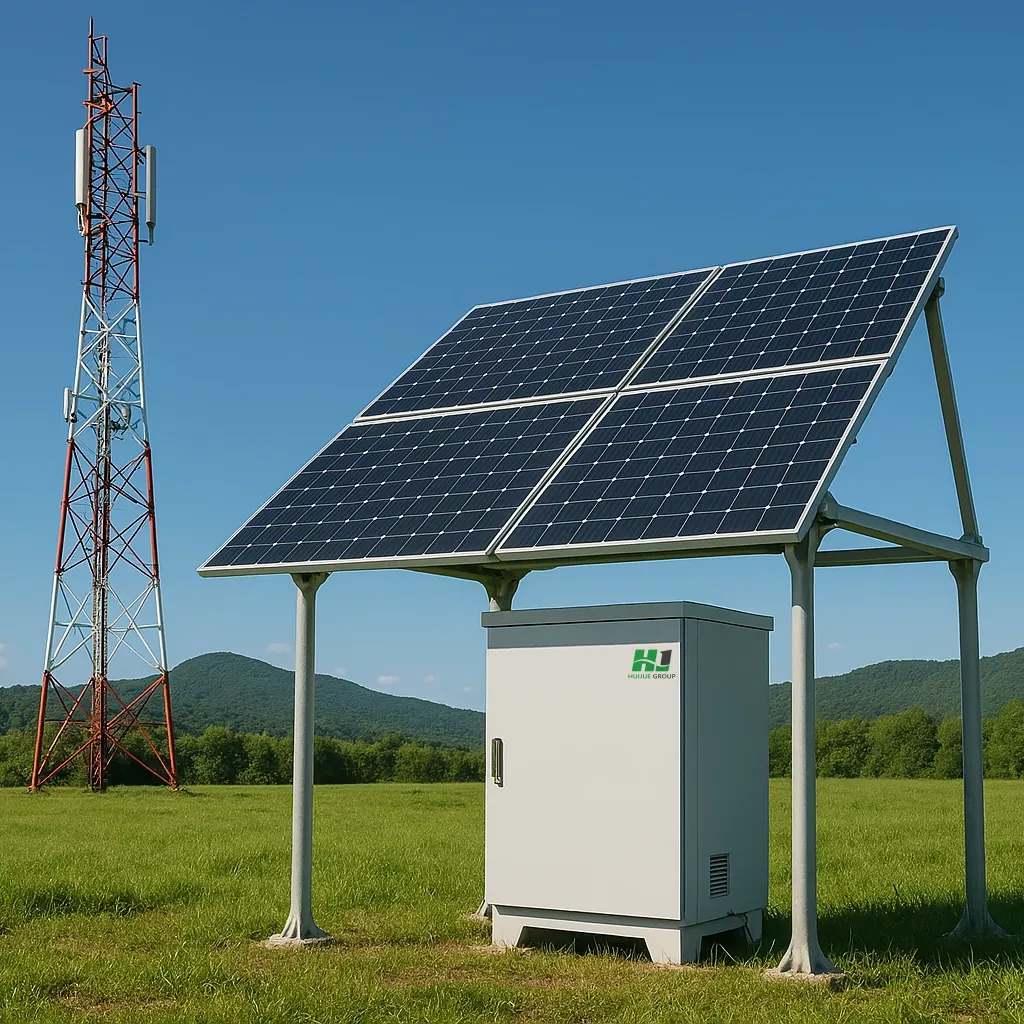
En zonas montañosas, illas, desertos e outras rexións remotas, a rede eléctrica non pode chegar ou é moi pouco fiable, o que fai que os lugares dependan de xeradores diésel.
Os desafíos son:
- Altos custos de transporte de diésel
- Ciclos longos de reabastecemento
- Forte dependencia da man de obra para a operación e o mantemento
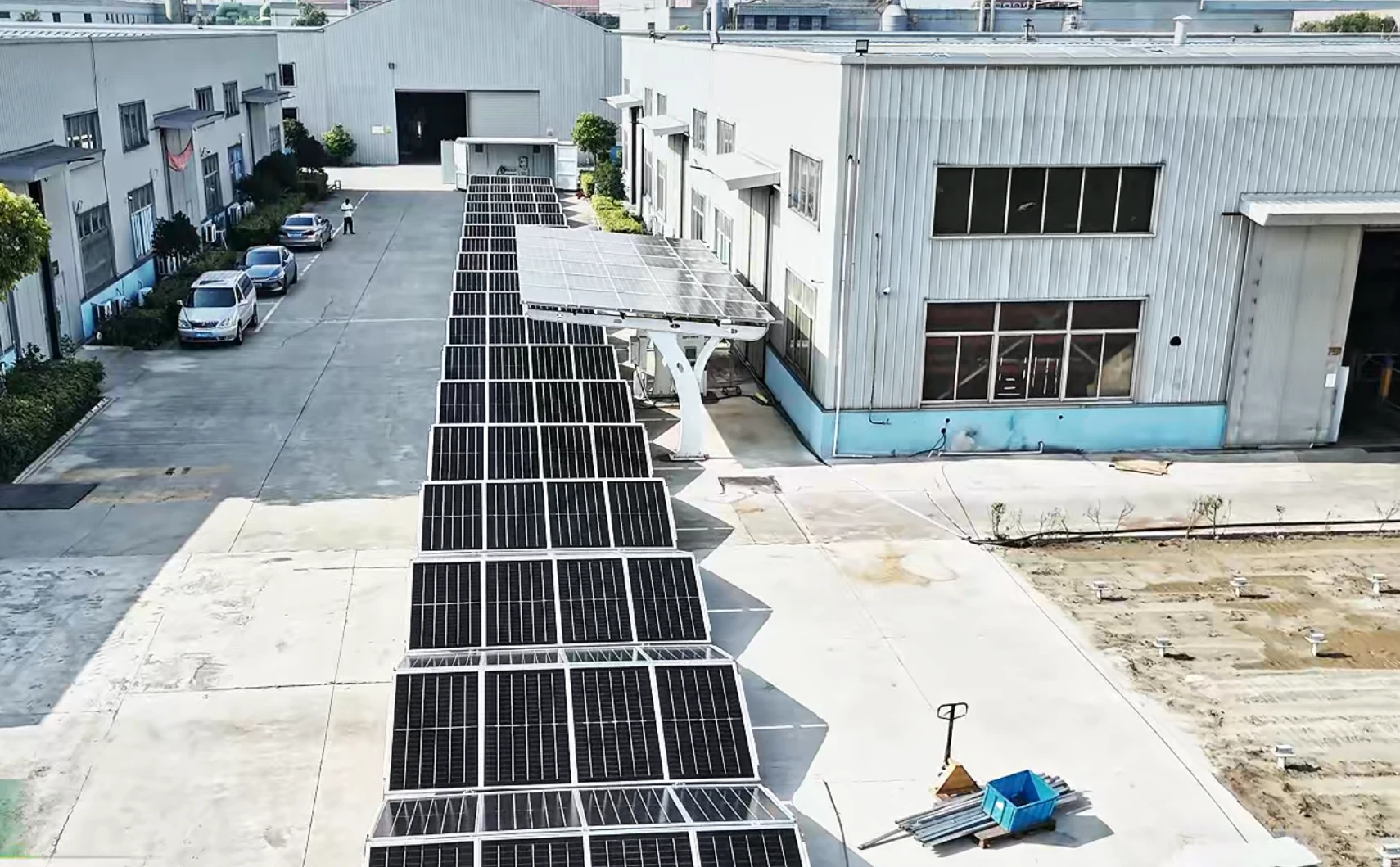
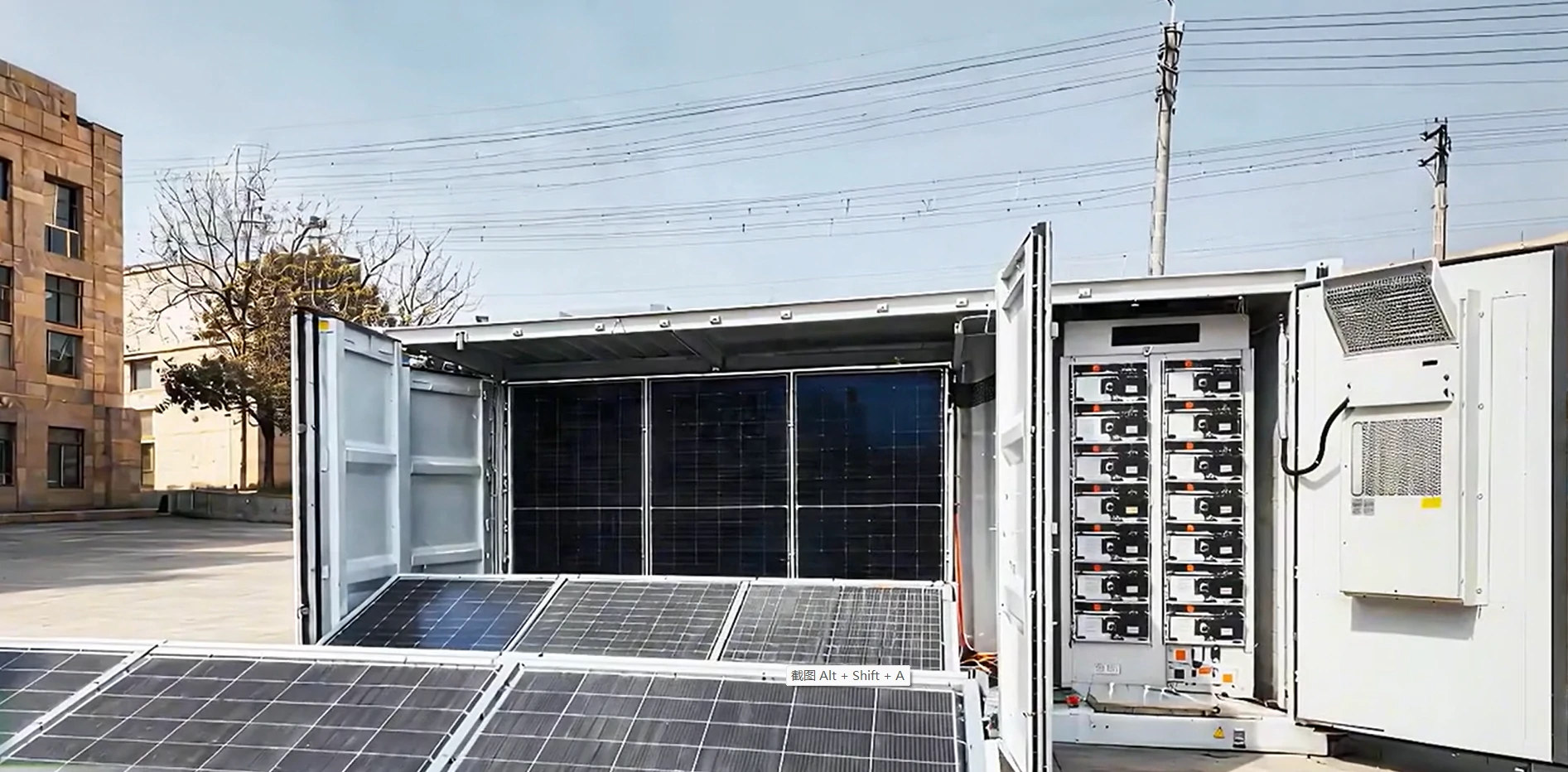
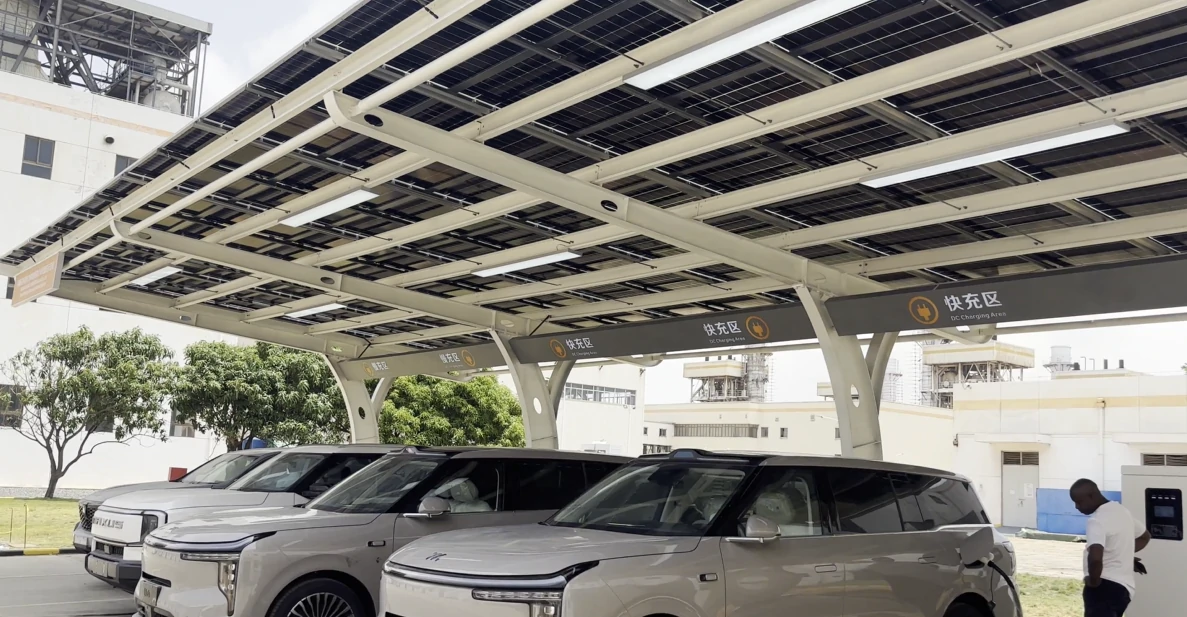
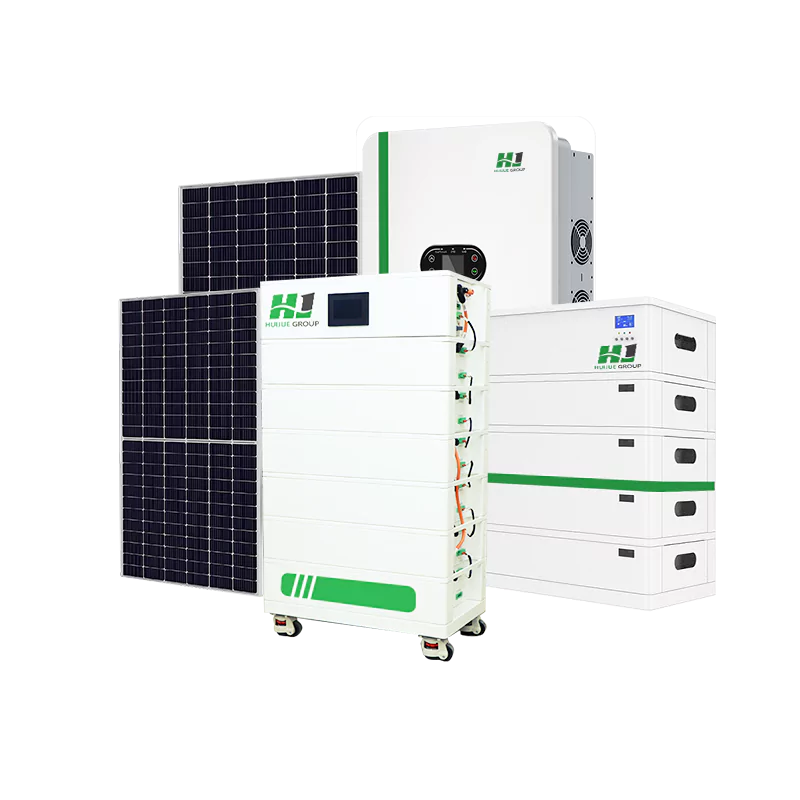
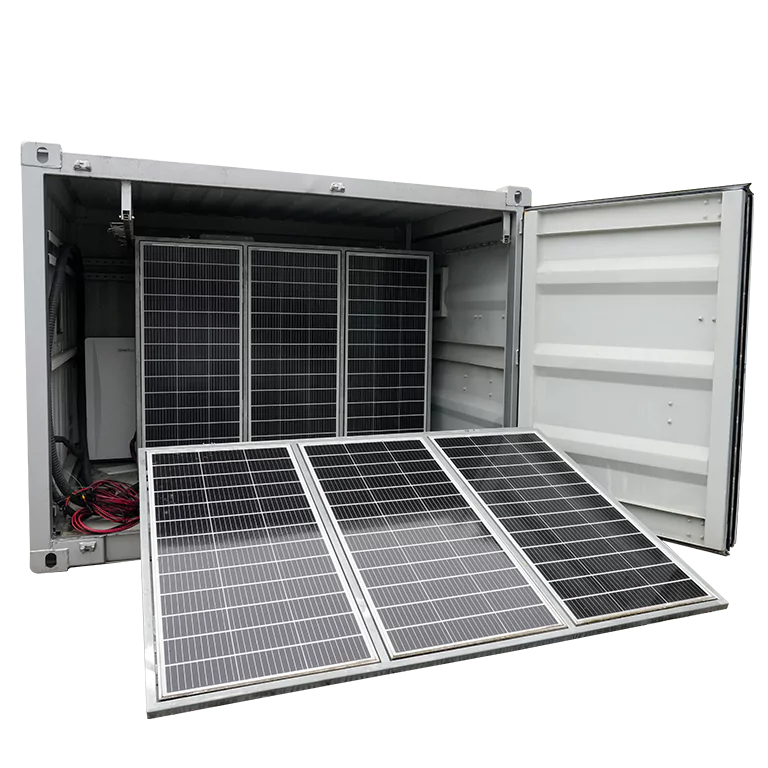
En tales condicións, o sistema de enerxía eléctrica (ESS) convértese na columna vertebral enerxética do emprazamento, normalmente combinado con enerxía solar ou eólica para formar un sistema híbrido fotovoltaico+almacenamento+diésel ou eólico+solar+almacenamento. Sen almacenamento de enerxía, o funcionamento continuo nestes emprazamentos é practicamente imposible.
- Rexións de grella inestables
Nalgunhas rexións en desenvolvemento ou zonas con infraestruturas eléctricas débiles, son habituais os cortes frecuentes e as grandes flutuacións de tensión.
Nestes escenarios:
- O risco de perda de enerxía da estación base é alto
- Aumenta a frecuencia de interrupcións da rede
- Os compromisos do SLA son difíciles de cumprir
Un ESS pode cambiar á alimentación de reserva en milisegundos, o que evita interrupcións na comunicación, o que o converte nun compoñente fundamental para manter a estabilidade da rede.
- Rexións con custos elevados da electricidade ou diferenzas de prezos entre as zonas de maior e menor valor
En zonas onde as tarifas de electricidade comercial son altas, os custos enerxéticos representan unha parte significativa dos gastos operativos do sitio. Un sistema de enerxía eléctrica pode reducir estes custos mediante:
- Redución de picos e recheo de val (carga durante períodos de baixa velocidade, descarga durante períodos de alta velocidade)
- Optimización do perfil de consumo de enerxía
Isto permite un aforro de electricidade do 20 % ao 40 %. Nestes escenarios, o almacenamento de enerxía non só é unha medida de fiabilidade, senón tamén unha ferramenta clave para reducir os custos operativos.
- Estacións base 5G de alta carga
As estacións base 5G adoitan consumir entre 3 e 6 kW ou máis, o que supón unhas esixencias máis estritas en canto á continuidade da enerxía. A ESS desempeña as seguintes funcións:
- Suavizar as flutuacións de carga
- Amortiguación de sobretensións instantáneas
- Prevención de paradas anormais dos equipos
Pódese considerar como unha "capa amortiguadora" dentro do sistema eléctrico.
- Por que evolucionou a ESS de "enerxía de reserva" a "sistema central"?
No pasado, o almacenamento de enerxía entendíase comunmente como simplemente "manter as luces acesas durante un apagón". Esa percepción xa non é axeitada nas redes de telecomunicacións actuais.
- Da enerxía de reserva á central de despacho de enerxía
O sistema de enerxía eléctrica (ESS) moderno non só proporciona enerxía de reserva, senón que tamén participa no despacho de enerxía, incluíndo o almacenamento de enerxía, a regulación da enerxía e a estabilización da tensión. En esencia, converteuse no "nodo de despacho" do sistema enerxético de telecomunicacións.
- As enerxías renovables non poden funcionar sen almacenamento
Despois de integrar as enerxías renovables como a solar e a eólica, a produción de enerxía vólvese intermitente: a xeración alcanza os seus picos durante o día pero detense pola noite, e os cambios meteorolóxicos afectan á produción. Sen un sistema de enerxía eléctrica (ESS), a enerxía xerada non se pode utilizar de forma fiable. Polo tanto, o almacenamento de enerxía é un requisito previo para a integración das enerxías renovables nas instalacións de telecomunicacións.
- ESS impacta directamente nos gastos operativos
Os custos a longo prazo dunha instalación de telecomunicacións inclúen principalmente as facturas de electricidade, os custos do combustible diésel (zonas remotas) e os gastos de operación e mantemento. Un sistema de emerxencias pode abordar simultaneamente os tres:
- Reducir as facturas de electricidade
- Reducir o consumo de diésel
- Menor frecuencia de inspección manual
III. É rendible o despregamento do almacenamento de enerxía?
Tomando como exemplo unha páxina web de telecomunicacións típica:
Parámetros básicos: consumo de enerxía 5 kW, consumo anual ~43,800 kWh, tarifa eléctrica 0.8 CNY/kWh, factura anual de electricidade ~35,000 CNY.
Con ESS despregado (combinado con aforro de picos ou solar básica): taxa de aforro do 20 % ao 40 %, aforro anual aproximado de 7 000 a 14 000 CNY.
Período de recuperación: aproximadamente de 3 a 5 anos. Ciclo de vida da estación base: de 8 a 10 anos ou máis. A longo prazo, o almacenamento de enerxía é un investimento xerador de valor, non un custo puro.
- O "valor oculto" que a miúdo se pasa por alto
- Evitar perdas por tempo de inactividade do sitio
As interrupcións da comunicación poden provocar queixas dos usuarios, penalizacións por acordos de nivel de servizo e danos á marca, unhas perdas que a miúdo superan os propios custos da electricidade.
- Habilitando o funcionamento e mantemento intelixentes
Integrado cun sistema de xestión de enerxía (EMS), o ESS permite a monitorización remota, o envío automatizado e a alerta temperá de avarías. A operación e o mantemento pasan das inspeccións manuais á xestión impulsada polo sistema, o que reduce significativamente os custos laborais.
- Apoiando as arquitecturas enerxéticas futuras
A medida que o panorama enerxético evoluciona, as instalacións de telecomunicacións poden participar en centrais eléctricas virtuais (VPP), despacho de enerxía distribuído e comercio de electricidade. Sen almacenamento de enerxía, a participación nestes modelos enerxéticos emerxentes non é posible.
- Canto máis grande sexa sempre mellor para o almacenamento de enerxía?
A resposta é non: a capacidade do ESS debe axustarse ao escenario específico:
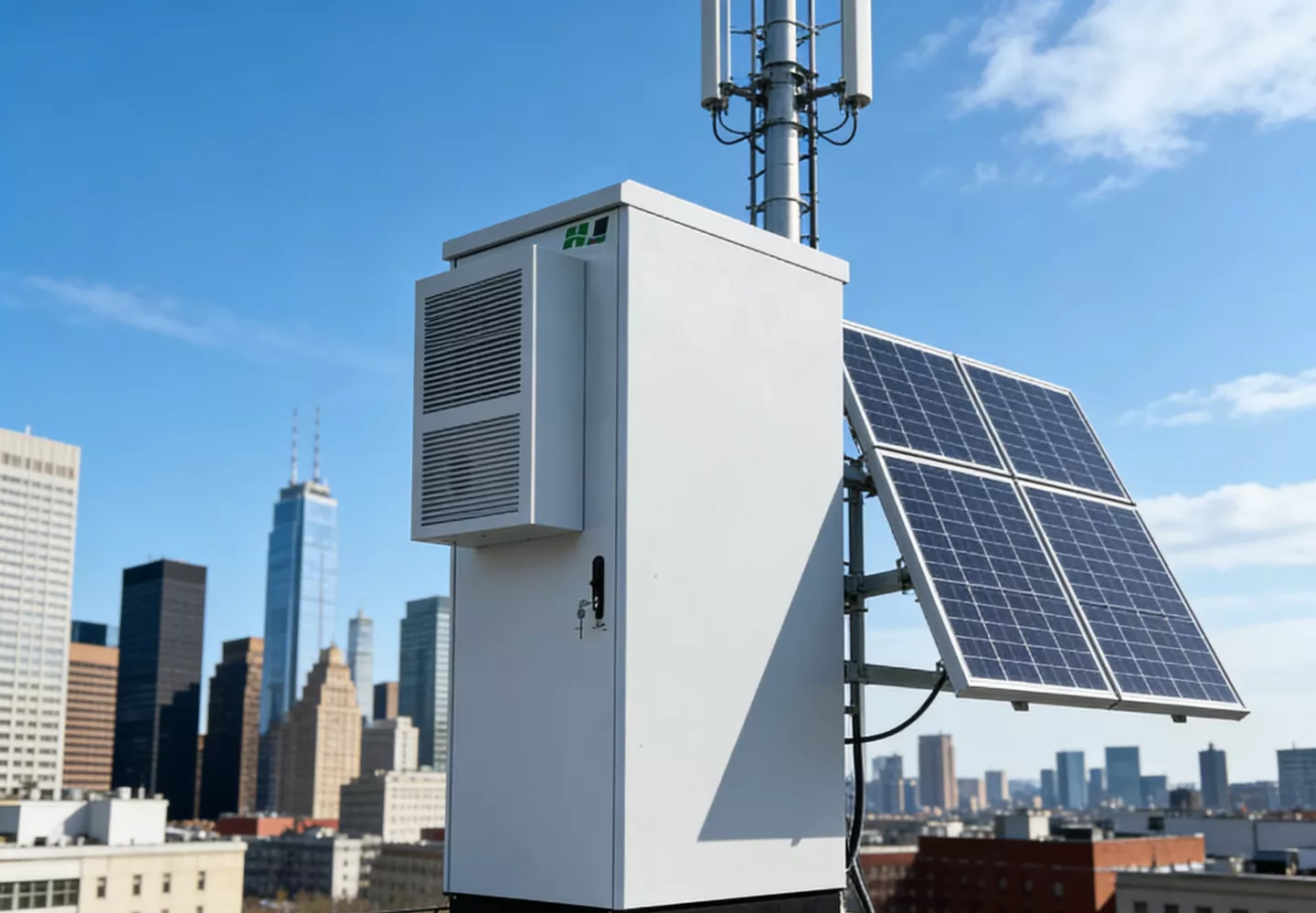
- Sitios urbanos: ESS de pequena capacidade, centrada na enerxía de reserva e na redución de picos
- Zonas suburbanas ou de rede débil: ESS de capacidade media, mellorando a estabilidade do subministro
- Sitios remotos ou fóra da rede: ESS de gran capacidade (4-24 horas), combinado con sistemas solares ou diésel
- Ambientes extremos (illas, desertos): Sistemas integrados de enerxía fotovoltaica, almacenamento e diésel, con enerxía eléctrica como fonte de enerxía principal
- Transformación en curso nos sistemas de enerxía de telecomunicacións
- Do "consumo de enerxía" á "xestión da enerxía"
A electricidade xa non é simplemente un recurso consumido, senón un activo do sistema despachable e optimizable.
- Do subministro dunha única fonte á complementariedade multienerxética
Modelo tradicional: Enerxía da rede + diésel. Novo modelo: Solar + Almacenamento + Rede + Diésel. O funcionamento cooperativo multifonte mellora a eficiencia xeral.
- Do centro de custo ao activo enerxético
No futuro, o almacenamento de enerxía non só reducirá os custos, senón que tamén poderá participar na xeración de ingresos.
VII. Conclusión
Desde o punto de vista da enxeñaría e o funcionamento, a cuestión para a maioría das instalacións de telecomunicacións non é se implementar o almacenamento de enerxía, senón como configuralo axeitadamente:
- Para sitios remotos: ESS determina se o sitio pode funcionar en absoluto
- Para sitios urbanos: a ESS determina se os custos son manexables
- Para redes 5G: ESS determina se o sistema permanece estable
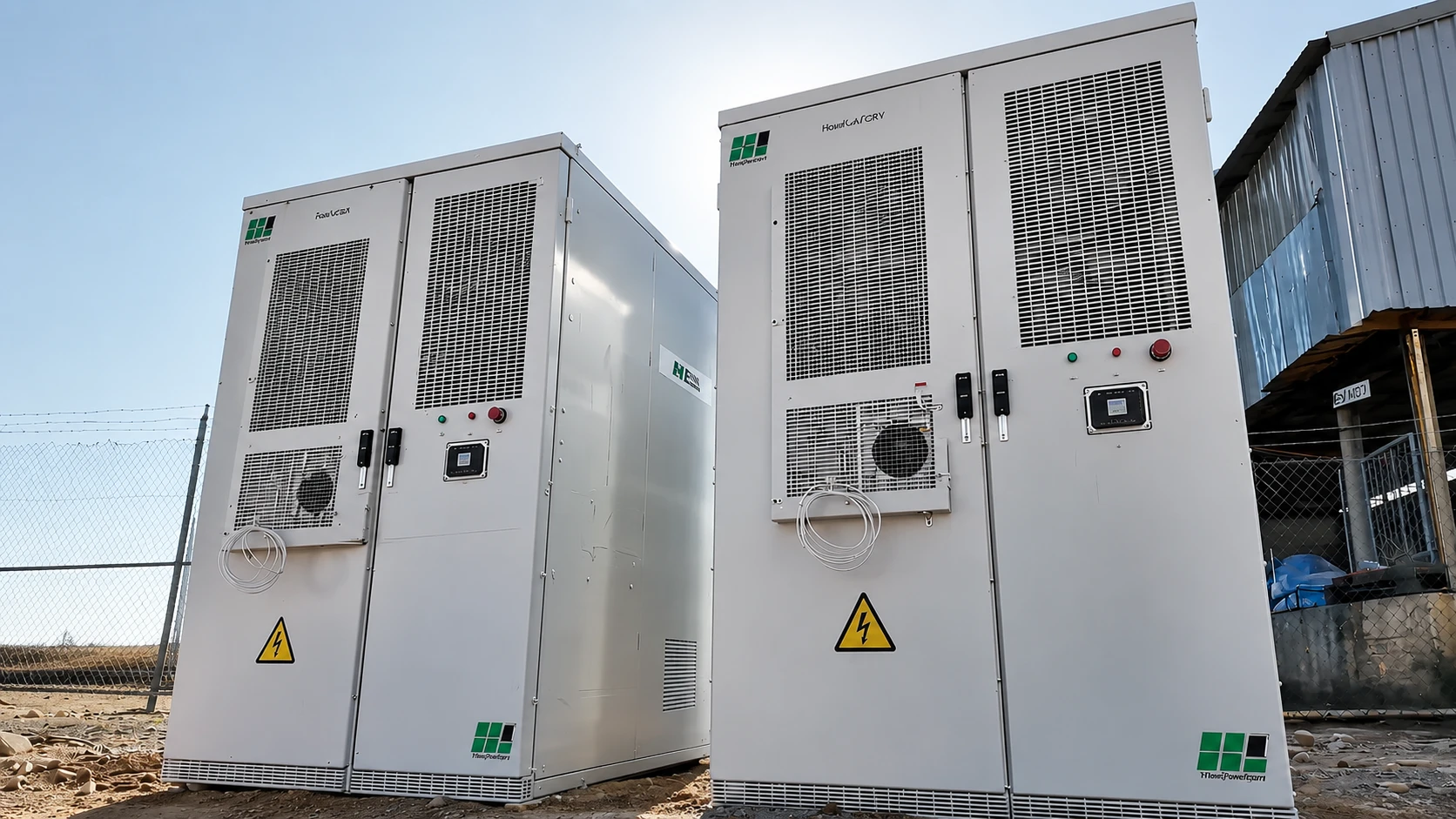
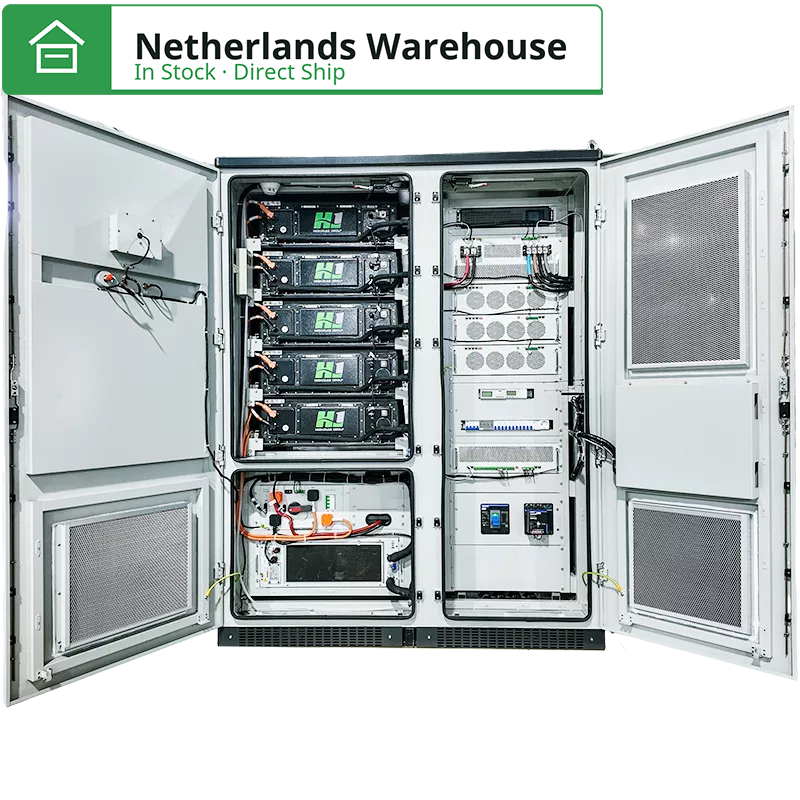
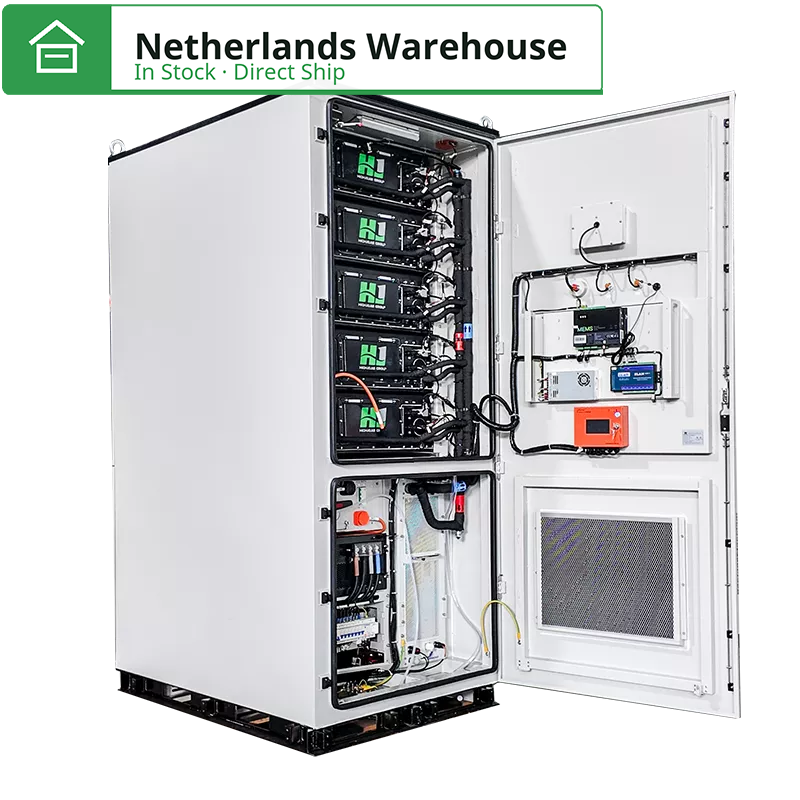
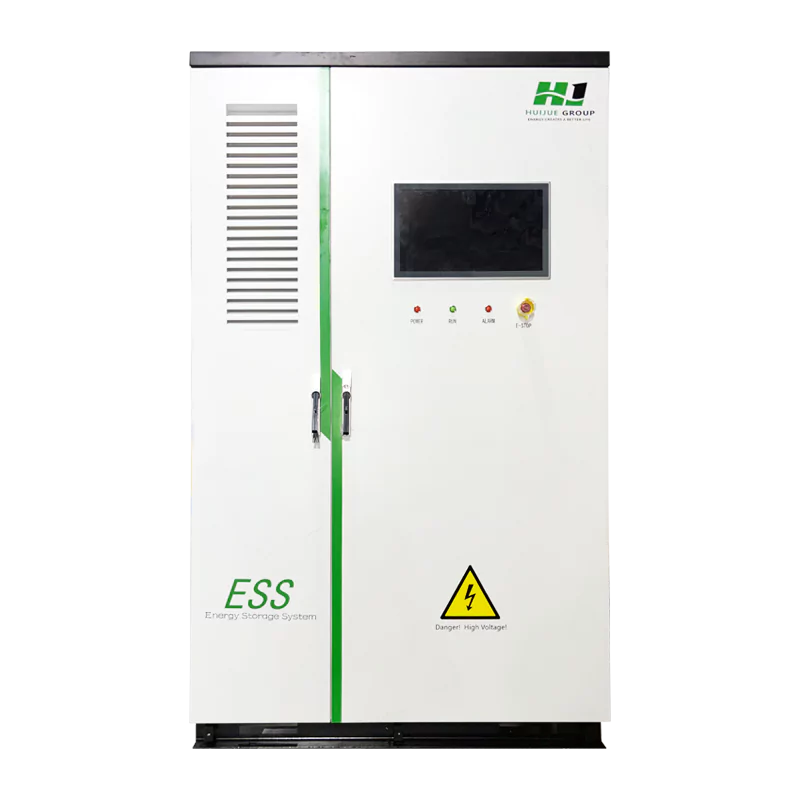
A medida que as redes de telecomunicacións evolucionan cara a cargas máis elevadas e requisitos de fiabilidade máis elevados, o almacenamento de enerxía converteuse nun requisito básico, non nunha característica opcional. Se estás a planificar ou optimizar o sistema de subministración de enerxía para unha instalación de telecomunicacións, dimensionar axeitadamente a capacidade da ESS, adaptala ao escenario da túa aplicación e integrar solucións como carcasas de estacións base exteriores será fundamental para mellorar tanto o retorno do investimento do proxecto como a estabilidade operativa.